

5 Ways to Protect Yourself from Fake QR Code Traps: QR Codes Are Becoming the New Weapon of Cybercriminals
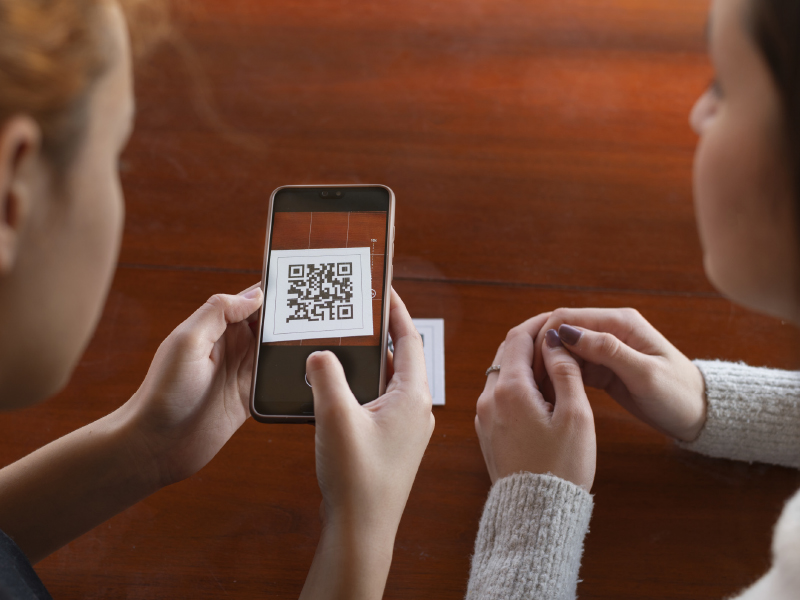
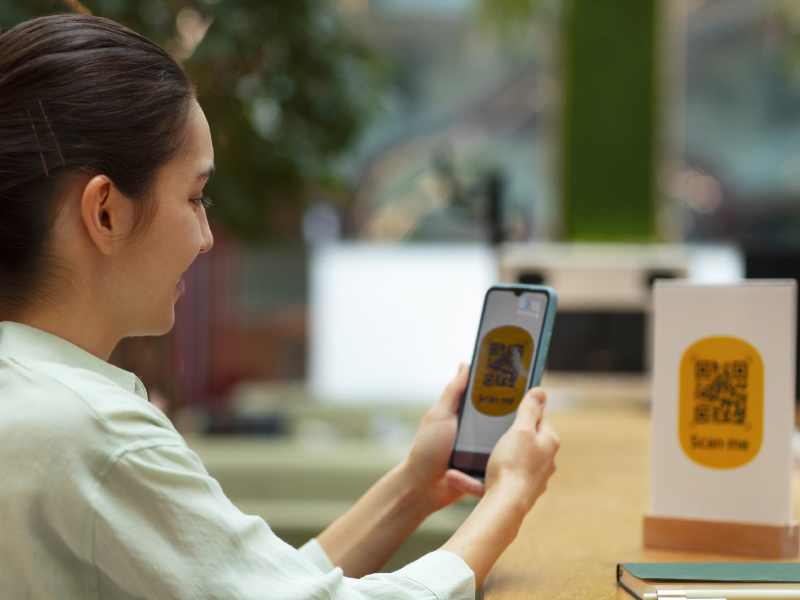

Reports from Bitdefender, a global leader in cybersecurity, show that fake QR code scams, known as “quishing,” are ensnaring more and more victims every day. These new-generation attacks, ranging from electric scooter rentals and restaurant menus to even fake delivery scams, exploit users’ search for speed and convenience. Alev Akkoyunlu, Operations Director of Laykon Bilişim, Bitdefender’s distributor in Turkey, warns users against these insidious traps and lists 5 critical ways to protect digital security.
While QR codes have become an integral part of daily life, they also bring significant security risks. These QR codes, which redirect to fake payment pages, download malware, or steal sensitive login credentials, are frequently used, especially in scenarios that evoke a sense of urgency. According to UK-based Action Fraud, victims lost £3.5 million in just one year due to QR code scams. Fake labels attached to genuine codes on electric scooters or restaurant tables, or unexpected delivery packages arriving at your door, are among the most preferred methods used by cyber attackers recently. Laykon Bilişim Operations Director Alev Akkoyunlu, stating that it is essential to maintain logic to protect against such scams, shares 5 precautions that should be taken.

“The Pursuit of Speed and Convenience Turns into a Cybersecurity Vulnerability”
Drawing attention to the fact that QR codes have a structure that can bypass traditional email security filters and directly exploit users’ carelessness, Alev Akkoyunlu, the Bitdefender Turkey Distributor Laykon Bilişim Operations Director, warned: “While people generally have the habit of checking a link before clicking, they don’t show the same skepticism when scanning QR codes. The anonymity of the target greatly facilitates the work of cybercriminals. Especially when renting an electric scooter on the street or wanting to quickly access a menu in a restaurant, a fake label pasted over the original code can lead to the copying of all your credit card information in seconds. Users must check for any physical interference before scanning and ensure the legitimacy of the link they are directed to.”
Alev Akkoyunlu shares 5 precautions users should take against fake QR codes and “quishing” attacks:
1. Check the physical integrity of the QR code. Carefully examine QR codes on electric scooters, restaurant menus, or street posters before scanning them. If you notice a sticker or misalignment that has been added to the original code, absolutely avoid scanning that code.
2. Carefully examine the redirected link (URL) address. Do not

immediately approve the link address that appears on the screen when your camera scans the QR code. Make sure the link is an official address belonging to the institution you expect. Addresses with shortened or suspicious extensions are the clearest indication of phishing traps.
3. Be suspicious when entering your personal information or payment details. If a code you scanned just to see a menu or perform a simple transaction immediately asks for payment information or a password, stop the transaction immediately. For secure transactions, prefer to use the institution’s own application or official website directly.
4. Be wary of codes in unexpected packages and emails. Do not scan QR codes found in packages you receive unintentionally or in emails suddenly popping up asking for account verification. If you need to take action, manually log in to the relevant institution’s website through your browser.
5. Use a robust digital security and verification tool. In suspicious situations, instead of scanning the code directly, get a second opinion from trusted sources. You can check screenshots using AI-powered fraud detection services like Bitdefender Scamio, and proactively protect your devices against malware with comprehensive solutions like Bitdefender Mobile Security.