

The global manufacturing industry is entering a new era of transformation driven by additive manufacturing technologies. Research indicates that the global additive manufacturing market—valued at approximately $30.5 billion—is projected to reach $169 billion by 2033. With the sector expected to record an average annual growth rate of 23.9% between 2026 and 2033, this expansion demonstrates that additive manufacturing has evolved beyond mere prototyping to become a strategic production model for end-part manufacturing, tooling, maintenance and repair, lightweight component development, and supply chain management. Additive manufacturing solutions—which are seeing increasingly widespread application in the defense, aerospace, automotive, medical technology, machinery, energy, and advanced materials sectors—are also expected to gain strong growth momentum in Turkey. Turkey’s advanced industrial infrastructure, robust engineering capabilities, and rising demand from high-value-added sectors are strengthening its position as a regional manufacturing and technology hub for additive manufacturing. EXPO3D Istanbul—Turkey’s first and most comprehensive sector-focused trade event dedicated to additive manufacturing and advanced production technologies—will bring together technology providers, manufacturers, investors, and decision-makers at the Istanbul Expo Center from September 17–19, 2026.
The rapid transformation in digital manufacturing is redefining production, inventory, and supply chain models across the global industry. The growing demand for personalized production, vulnerabilities in global supply chains, and sustainability goals are transforming additive manufacturing technologies into a strategic investment area for companies. The use of 3D manufacturing solutions is becoming increasingly widespread across a wide range of sectors, from aerospace and automotive to health technologies, the defense industry, and architecture.
Turkey is strengthening its position in the field of additive manufacturing, driven by a robust industrial infrastructure and rising demand from high-value-added production sectors. An expanding ecosystem—spanning everything from industrial 3D printers and advanced materials to software, design solutions, and manufacturing services—is boosting domestic production capabilities while helping to reduce external dependency. The need to manufacture complex, lightweight, and high-performance parts for the defense, aerospace, automotive, and medical technology sectors is accelerating investments in 3D manufacturing solutions.

EXPO3D Istanbul—Turkey’s first and only specialized trade fair focused on additive manufacturing, design, and advanced production technologies—will take place at the Istanbul Expo Center from September 17–19, 2026. The event aims to bring together over 100 exhibiting companies, more than 120 brands, and over 10,000 professional visitors. Targeting a potential trade volume of approximately $250 million, the event will also merge academic expertise with industrial manufacturing power through the 5th International 3D Printing and Additive Manufacturing Conference, organized with the contribution of Yıldız Technical University.
A PARADIGM SHIFT IS UNDERWAY IN MANUFACTURING
Expo3D Istanbul Fair Coordinator Yıldırım Ünverdi stated, “The Presidency’s high-technology-focused development vision, the strategies implemented under the National Technology Initiative, and policies supporting digital transformation in industry are paving the way for the more rapid adoption of additive manufacturing technologies in Turkey.
With its young and skilled engineering workforce, developing industrial infrastructure, and strategic geographic location, Turkey possesses significant advantages in becoming a regional hub for manufacturing and innovation.

In particular, rising demand from high-value-added sectors—such as the defense industry, aerospace, medical, and automotive—indicates that the additive manufacturing and advanced production technology ecosystem in Turkey is poised to gain strong growth momentum in the coming period.”
Noting that additive manufacturing technologies have fundamentally altered the approach to production, Ünverdi made the following assessment: “Additive manufacturing is no longer merely a new production technology; it is a new manufacturing paradigm that transforms every industrial process—from design to the final part, and from maintenance and repair to supply chain management. The fact that the global market is growing at an annual rate of over 20% and is projected to rise from $30.5 billion in 2025 to approximately $169 billion by 2033 clearly demonstrates the enduring and strategic nature of this transformation. As EXPO3D Istanbul, our goal is not simply to organize a trade fair; we aim to create a sustainable platform that fosters high-tech manufacturing, paves the way for new investments and strategic partnerships, and makes a tangible contribution to our country’s industrial transformation. We aim to strengthen Turkey’s position as a technology producer and a regional leader by enhancing domestic additive manufacturing capabilities, increasing value-added exports, and boosting global competitiveness, thereby adding lasting value to our country’s economic and technological future.” Highlighting Turkey’s strategic location, Ünverdi stated: “Thanks to the production, trade, and logistics connections it has established between Europe, the Middle East, Central Asia, and North Africa, Turkey holds a strong regional position in the field of additive manufacturing. Our advanced industrial infrastructure, engineering capabilities, and production experience in high-value-added sectors are transforming our country into a hub that not only utilizes technology but also develops and exports it. Over the next 5–10 years, the impact of additive manufacturing on end-part production, maintenance and repair, lightweight component development, personalized manufacturing, and digital supply chains will become far more pronounced. This transformation will be one of the most critical aspects of the new industrial order and global competition.”
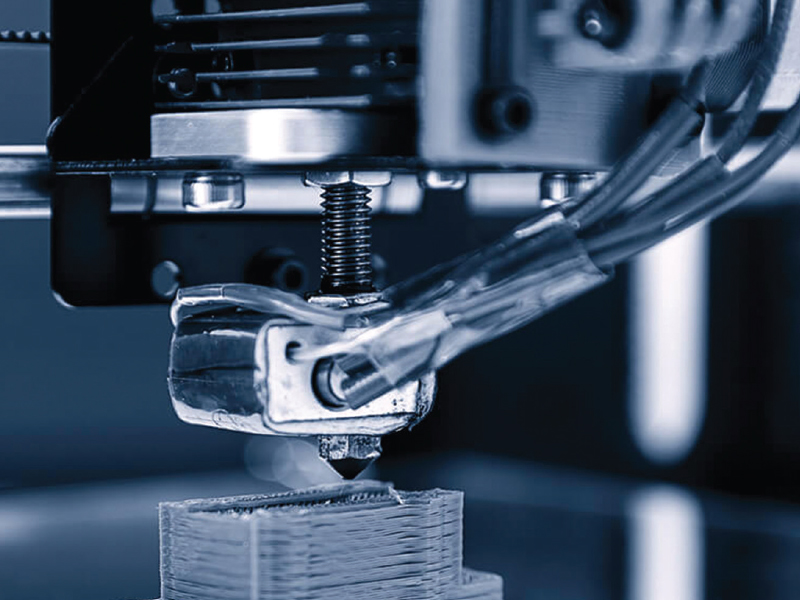
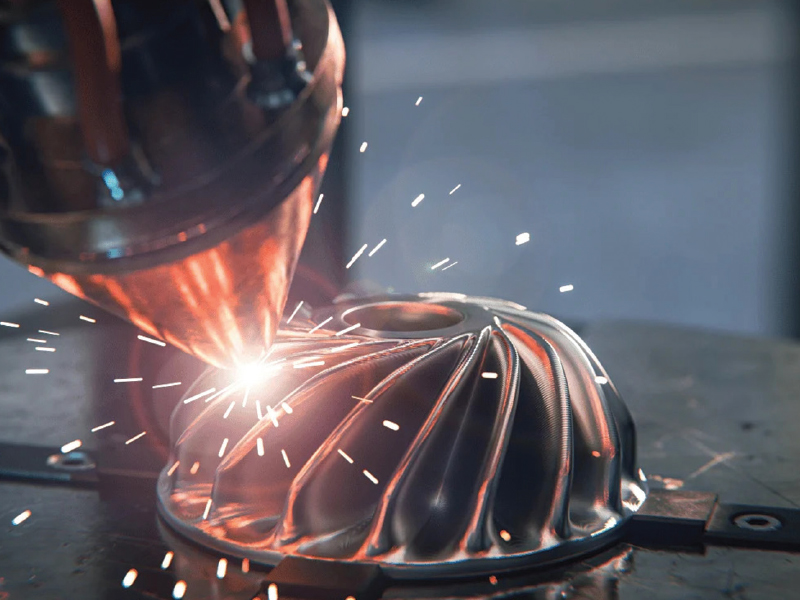
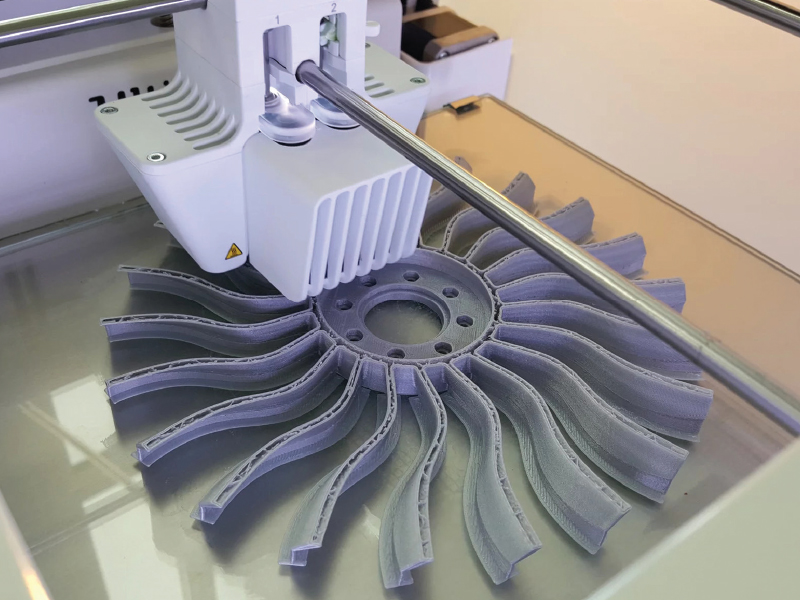
Additive manufacturing technologies bring speed, flexibility, and design freedom to the industry by enabling the direct transfer of digital designs to production. The ability to produce complex and lightweight parts, the reduced need for molds, and the capacity for personalized solutions through low-volume production are driving the rapid adoption of this technology as a strategic manufacturing model that complements traditional manufacturing methods.
